Maybe I am destined for the shit life. Despite attempts to escape, I am back here again. When will this shittiness end? Do I just wait around for this slow bleak season to pass? If I wait too long, would I have wasted my life? While I wait, I find myself slowly sinking into a curious, all-enveloping void, where emotions and voices within are quieter, but the edges blunted by repeated failure.
And then there’s the slow churning in the stomach full of dread. Who wouldn’t be frustrated if they’re always reaching and grasping but not quite getting it? Was there a mistake I made previously that led me to this place of shittiness? I turn around, trying to retrace my steps, in the hope of finding what that mistake was, to find moments that I would regret, but never quite discovering that one thing that led to this.
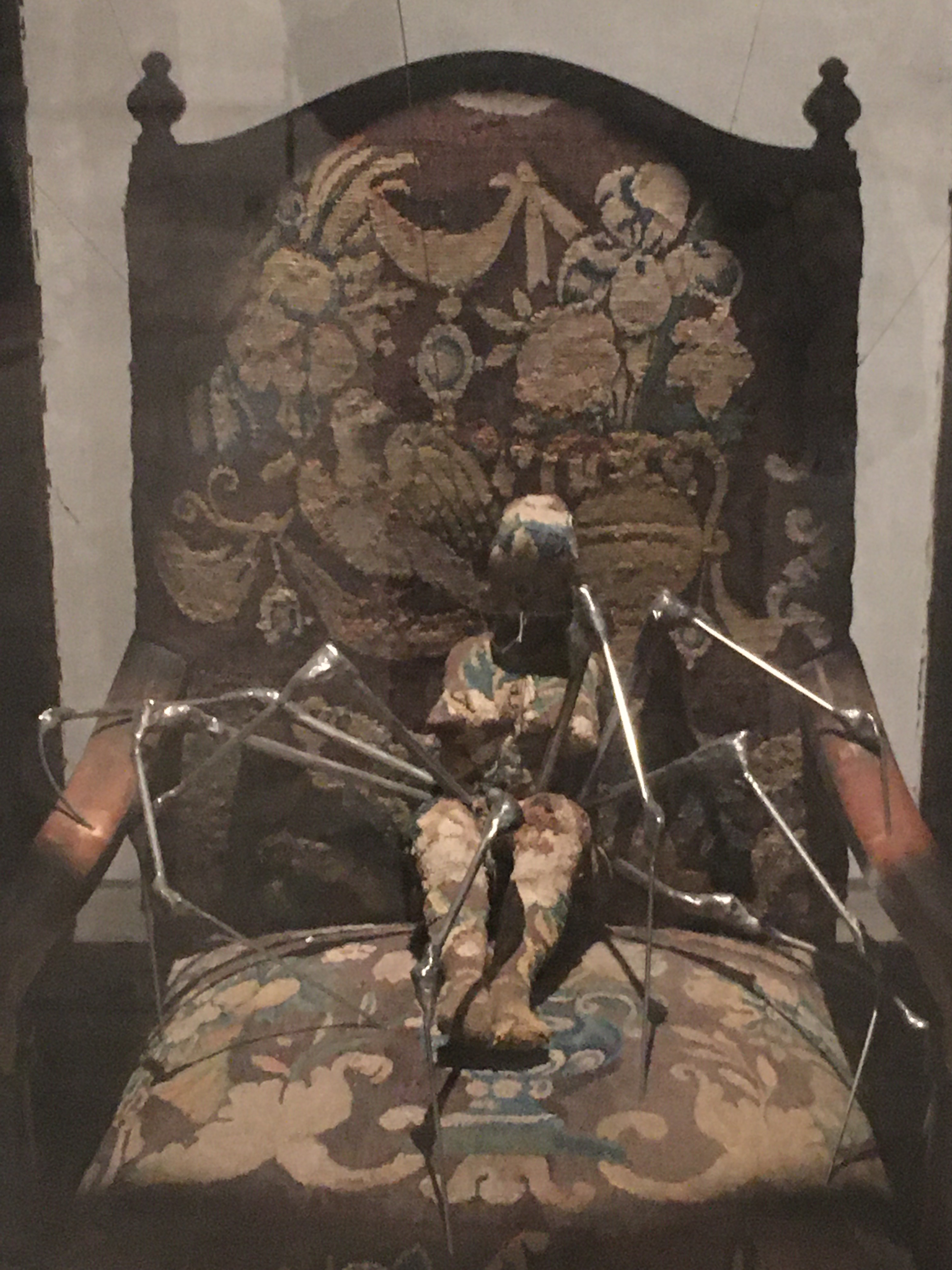
Figure 1 Hayward Gallery April 2022. Source: Alicia Izharuddin
I identify with the doll-like figure that sits in an upholstered chair in Louise Bourgeois’s ‘Lady-in-Waiting’. The Lady is encased in the same fabric as the chair. In it she sits alert, but inert, like a patient in the waiting room who yearns anxiously for her name to be called. Her wait is long, but then she is somehow unwilling to get up and leave. In time, she gets complacent with her situation, preferring to disappear into the chair.
Disconcertingly, a spider explodes out from her uterus, like a creature in Ridley Scott’s Alien, the horror of which is the sight of a man giving birth to a monster. Its limbs extend outwards like a parasite that has completed half of its life cycle in its complicit host, made more menacing by its mechanical, obstetrical design. With the multiple appendages outside the restive, armless woman, the spider within her sits in repose, waiting for prey.
Spiders are not always so one-dimensionally sinister, not least in Bourgeois’s art. Most famous of her spiders is the gargantuan ‘Maman’ that strides toweringly, protectively over those under her. The spider of Bourgeois’s world creates both a home and trap from the contents of her body; she is the Femme-Maison par excellence that recur so many times in her art.
Why did Bourgeois call this work ‘Lady-in-Waiting’? Is it a reference to the women of the servant class appointed to serve a high-born woman in the European Middle Ages? But here she has absconded from her duties to do the actual waiting worthy of her… Many will understand her as low status, subservient, passive. For all we know ladies-in-waiting may in fact have greater agency and longer lasting legacies than their employers.
One of the most historically enduring ladies-in-waiting is Murasaki Shikibu, the first known novelist, author of the Tale of Genji. Of noble birth herself, Murasaki became, after widowhood, a servant to a higher-ranking young woman. It was a role that enabled her literary career, not unusual amongst courtly women whose time was spent in the arts.
A central theme in the Tale of Genji is mono no aware, imperfectly translated as the ‘pathos of things’, or a ‘sensitivity towards transience’. It is the emotion invoked at the sight of cherry blossoms; an appreciation for the passing impermanence of things.
Images of Murasaki show her sitting, contemplating, meditating, deep in thought. How different is she from Bourgeois’s ‘Lady-in-Waiting’? Both figures sit in a place of great comfort; they are wrapped, literally wrapped in luxurious fabric. Perhaps I can take comfort in that waiting here is not a threat to the self or future, it is both meditation and the work of recounting the impermanent thickness of the present and the great many things to come.

 Alicia Izharuddin